


Author: Site Editor Publish Time: 2026-03-03 Origin: Site
Bathrooms are changing fast. Many now ask, what is a smart toilet and are smart toilets worth it? A Smart Toilet blends hygiene, comfort, and automation in one system. Brands like COSO show how smart toilet design can elevate daily life. In this article, you will learn how it works, why it is trending, and how it compares to traditional options.
A smart toilet is an advanced bathroom fixture equipped with electronic features designed to improve hygiene and comfort. Unlike a conventional toilet that relies on manual flushing and toilet paper, it integrates sensors, bidet cleansing, drying systems, and automatic flushing. When people compare smart toilet vs traditional toilet, the main difference lies in automation and personalization. Traditional models perform one function. Smart toilets deliver a complete hygiene cycle. They reduce contact, improve cleanliness, and offer adjustable comfort settings. Premium European brands, particularly those rooted in German sanitary engineering, often emphasize durable ceramic construction and strict quality testing to ensure long-term reliability.
Smart toilets include several integrated technologies. Motion sensors detect presence and activate lid opening or flushing. A smart toilet with bidet system uses adjustable spray nozzles for cleansing. Heated seats enhance comfort in colder seasons. Warm air dryers reduce toilet paper use. Many units include deodorizing filters and LED night lighting. Digital control panels or remote controls allow users to personalize every function. In higher-end product lines such as COSO’s smart toilet series, nano self-cleaning glaze technology is applied to ceramic surfaces to reduce bacterial adhesion and simplify maintenance. These components work together in one streamlined design. The result is a system that delivers improved sanitation while maintaining ease of use.
To understand the value, it helps to compare both options clearly.
Feature | Smart Toilet | Traditional Toilet |
Flushing | Automatic flushing system | Manual handle |
Cleaning | Built-in bidet + air dry | Toilet paper only |
Hygiene | Touch-free operation | Frequent contact |
Comfort | Heated seat + warm water | Basic seating |
Sustainability | Reduced paper use | High paper consumption |
This comparison explains why smart toilets are trending. They address hygiene and environmental concerns while improving user comfort.
If you are wondering how does a smart toilet work, the answer begins with sensors. Infrared motion sensors detect when someone approaches. The lid opens automatically. After use, the toilet flushes without physical contact. This automation reduces bacteria spread and improves hygiene. It also enhances convenience. There is no need to touch a handle. Some advanced systems integrate foot-sensor flushing for additional hands-free control. These systems rely on low-energy electronic components that activate only when needed, ensuring efficiency without excessive power consumption.
The built-in bidet is central to smart toilet functionality. Adjustable water pressure and temperature allow personalized cleansing. Some systems include oscillating or pulsating spray modes for improved coverage. This water-based cleaning method is more hygienic than paper alone. It also reduces irritation for sensitive users. German-engineered models often feature instant water heating systems, delivering continuous warm water rather than storing it in a tank. Because this function replaces most toilet paper use, it lowers recurring household costs while promoting sustainability.
After cleansing, a warm air dryer eliminates the need for paper. This function supports hygiene while reducing waste. At the same time, integrated carbon filters remove odors automatically. The bathroom stays fresh without sprays or chemicals. Premium wall-hung designs, such as those offered by COSO, further enhance hygiene by hiding the water tank inside the wall, eliminating hard-to-clean corners. These systems operate quietly and efficiently, which is especially valuable in family homes or hospitality environments.
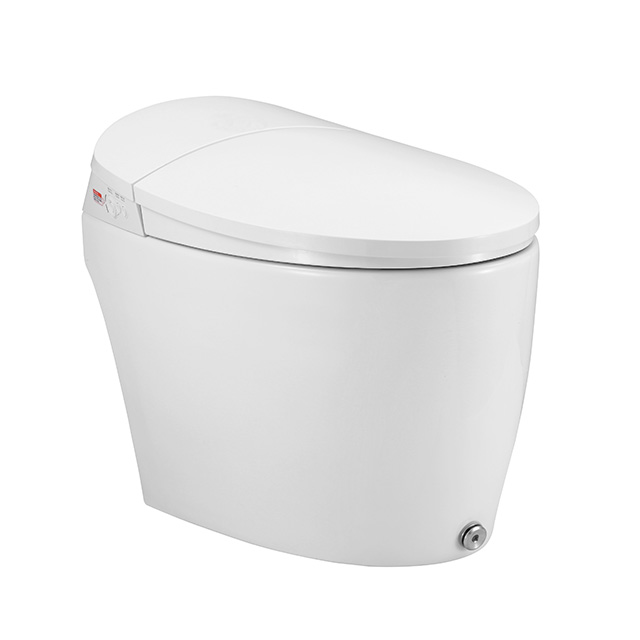
The smart toilet automatic flushing system detects when the user leaves. It calculates water volume based on usage. This reduces waste and ensures thorough cleaning. Because flushing is touch-free, it lowers contamination risk. High-quality siphonic flushing systems, commonly found in German sanitary solutions, combine strong water flow with low noise levels. This design solves two issues at once: effective waste removal and quiet nighttime operation.
Heated seats provide immediate comfort during cold weather. Temperature settings can be adjusted through side panels or remotes. This feature significantly enhances daily comfort. Ergonomic seat curvature, tested for long-term support in brands like COSO, improves posture and user stability. When combined with warm water cleansing, it creates a spa-like experience at home.
Many advanced models include automatic nozzle cleaning. Some use UV light or antibacterial glazing to sterilize surfaces between uses. Nano self-cleaning ceramic glaze reduces dirt adhesion and minimizes scrubbing frequency. This improves long-term hygiene while lowering maintenance effort. Users gain peace of mind knowing the system actively manages sanitation.
Feature | Primary Benefit | Secondary Impact |
Bidet Spray | Improved cleanliness | Reduced irritation |
Air Dryer | Less paper waste | Lower household cost |
Nano Glaze Surface | Reduced bacteria adhesion | Easier cleaning |
Siphonic Flush | Powerful cleaning | Quiet performance |
Tip: For property developers or hotel buyers, prioritize models with certified water-saving technology and antibacterial ceramic surfaces to strengthen long-term asset value and user satisfaction.
Global hygiene awareness has grown significantly in recent years. Consumers now prioritize touch-free systems. Smart toilets meet this demand directly. Automatic lids and flushing reduce surface contact. Built-in cleansing improves sanitation. This shift explains rising online searches for smart toilet features and benefits.
Modern homes include connected lighting, heating, and security systems. Bathrooms are following this trend. Smart toilets integrate into smart home ecosystems through apps or voice control. This aligns with the broader movement toward intelligent living spaces. High-end European manufacturers often position their products as part of complete bathroom solutions, combining faucets, shower systems, and smart toilets under a unified design language.
Sustainability drives many purchase decisions. Smart toilets reduce toilet paper usage. Some models use optimized dual-flush systems to conserve water. German sanitary engineering often emphasizes eco-efficient performance, ensuring strong flushing power while reducing water volume per use. This balance supports both environmental responsibility and cost efficiency.
Trend Driver | Impact on Adoption |
Hygiene Focus | Increased demand for touchless features |
Smart Homes | Integration with connected devices |
Sustainability | Reduced paper and water use |
Luxury Design | Higher perceived home value |
The upfront cost is higher than traditional toilets. However, long-term value offsets this expense. Reduced paper use lowers recurring costs. Improved hygiene reduces cleaning effort. Increased comfort enhances daily living. Premium models manufactured under strict German quality standards are designed for durability, with high-temperature ceramic firing processes that reduce water absorption and extend lifespan. For many households and hospitality operators, these factors justify the investment.
For elderly individuals or users with mobility limitations, smart toilets improve independence. Automated functions reduce physical strain. Adjustable settings increase comfort. Wall-hung options further improve accessibility by allowing customizable installation height. These functional benefits make smart toilets practical, not merely luxurious.
Note: Before purchasing, confirm electrical outlet placement, water supply compatibility, and rough-in size to avoid unexpected installation costs.
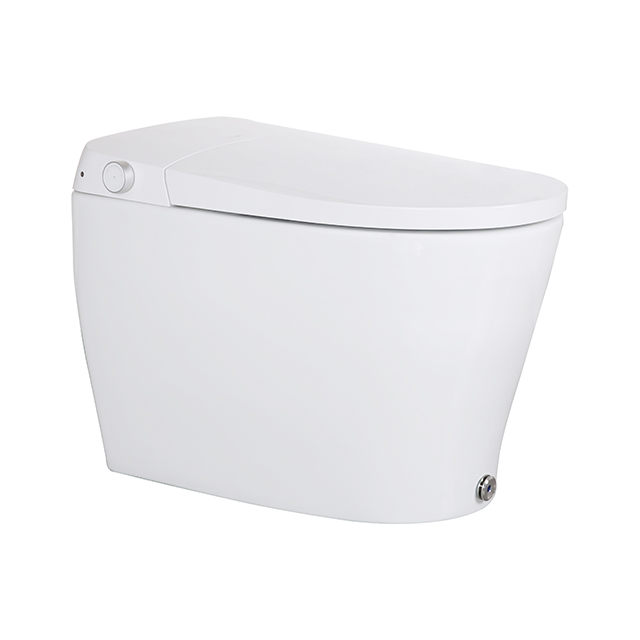
Water cleansing provides more thorough hygiene than dry paper. It removes residue effectively. It reduces skin irritation. This improvement leads many first-time users to avoid returning to traditional methods. The experience feels cleaner and more comfortable. Brands emphasizing health-focused engineering often incorporate multi-layer filtration systems in spray nozzles to ensure safe, fresh water flow.
Adjustable spray pressure and temperature ensure personalized use. Each household member can save preferences. This adaptability increases satisfaction. It also enhances inclusivity for different age groups. In premium systems, instant heating technology guarantees stable water temperature without waiting time, improving overall user experience.
Smart toilets require both water and electricity. Some bathrooms may need minor modifications. Installation planning ensures seamless integration. Professional setup is often recommended for safety and warranty compliance. Wall-hung designs may require concealed tank systems, which provide aesthetic benefits but need structural preparation.
Filters require periodic replacement. Nozzles need inspection. However, self-cleaning systems reduce manual effort significantly. Nano-glazed ceramic surfaces minimize buildup. High-quality internal components are designed to withstand tens of thousands of uses without failure. Routine maintenance ensures optimal performance and extends product lifespan.
Tip: For B2B buyers managing multiple units, select models with modular internal components to simplify future servicing and reduce operational downtime.
Future models may analyze health indicators. Some prototypes can detect hydration levels or early health anomalies. These innovations are still developing. However, they demonstrate how bathroom technology is evolving beyond comfort into preventative health solutions.
Voice integration enhances accessibility. Users adjust settings without touching controls. Mobile apps track water usage. These advancements reinforce smart toilets as long-term investments. As German sanitary solution providers expand globally, integration between faucets, showers, and smart toilets will likely become more unified under comprehensive bathroom ecosystems.
A Smart Toilet is more than a luxury upgrade. It supports hygiene, comfort, and sustainable living. Understanding what is a smart toilet and how it works helps you choose wisely. Features like automatic flushing and bidet cleaning improve daily routines. Though the cost is higher, long-term value is clear. COSO smart toilet products offer durable design, nano-glazed hygiene protection, and efficient flushing performance for modern bathrooms.
A: A smart toilet uses sensors and a smart toilet automatic flushing system with a built-in bidet to improve hygiene and comfort.
A: Many users find a Smart Toilet worth it due to better cleaning, reduced paper use, and long-term comfort benefits.
A: A smart toilet vs traditional toilet offers touch-free flushing, adjustable washing, and warm air drying instead of paper only.
A: Key smart toilet features and benefits include heated seats, self-cleaning nozzles, and energy-efficient flushing technology.