


Author: Site Editor Publish Time: 2026-03-03 Origin: Site
Is a smart toilet worth it? Many compare regular toilet vs smart toilet with bidet for hygiene and comfort. A traditional toilet is simple and mechanical. A Smart Toilet adds water cleansing and automation. This smart toilet with bidet comparison explains the difference clearly, including modern solutions like COSO smart toilets designed for lasting performance.
A regular toilet consists of a ceramic bowl, tank, seat, and lever. Its structure focuses solely on flushing performance. In contrast, a Smart Toilet integrates concealed plumbing, sensor modules, and modern ergonomic shaping. Brands such as COSO (Germany) emphasize German engineering aesthetics, combining minimal lines with hidden water tanks and wall-hung designs to enhance space efficiency. This shift from exposed mechanics to integrated structure improves visual harmony and simplifies cleaning around the fixture. The design difference reflects a transition from purely functional hardware to engineered sanitary solutions aligned with contemporary bathroom architecture.
The core difference between smart toilet and regular toilet lies in cleansing technology. A regular unit depends entirely on paper. A smart toilet with bidet uses directed warm water spray with adjustable pressure and temperature. COSO smart toilet models incorporate instant heating systems and filtered nozzles to maintain hygiene consistency. Compared to a smart toilet vs bidet attachment setup, integrated models hide hoses and wiring, delivering cleaner aesthetics and more stable performance. Water cleansing reduces friction and improves comfort, especially for sensitive users.
Traditional toilets require only water supply and drainage. A smart toilet with bidet requires electrical power for heating, sensing, and drying systems. Many modern installations are simple, requiring only a nearby outlet. High-end integrated systems, including COSO wall-hung smart toilets, may involve concealed tanks and sensor calibration to maintain seamless aesthetics and performance reliability.
Smart toilet with bidet features explained often include heated seats, automatic flushing, night lighting, deodorizing filters, and self-cleaning nozzles. COSO smart sensing systems add automatic lid opening and foot sensor flushing to reduce contact points. These enhancements shift the fixture from mechanical device to responsive hygiene system.
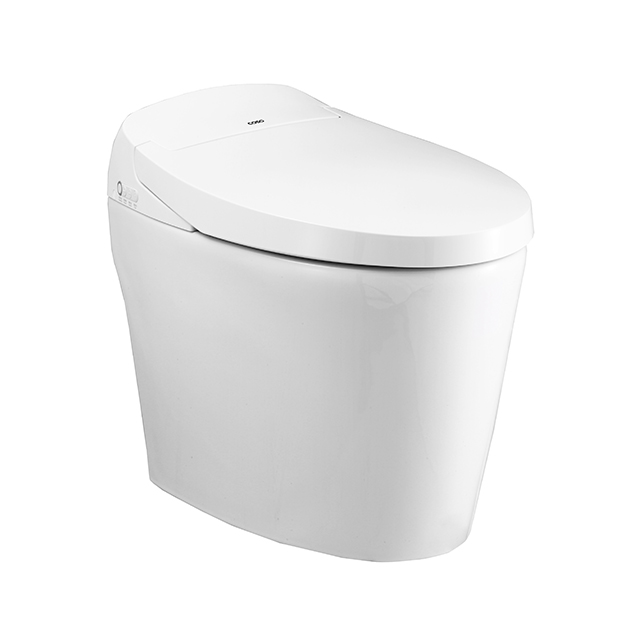
Dry wiping may leave residue and bacteria behind. Water cleansing removes contaminants more thoroughly. A smart toilet with bidet directs controlled water flow to improve hygiene efficiency. Nano self-cleaning glaze technology, such as that used in COSO sanitary ware, reduces bacterial adhesion and limits staining. This combination of water cleansing and advanced ceramic surface treatment enhances sanitation beyond conventional glazed bowls.
Repeated friction from paper can cause irritation. Smart toilet vs traditional toilet pros and cons clearly show the comfort advantage of warm water cleansing followed by air drying. COSO smart toilets integrate adjustable temperature settings to provide stable comfort during winter use. Over time, reduced irritation supports better skin health and daily comfort.
Manual flushing spreads bacteria. Smart toilets minimize contact through automatic flushing and sensor operation. Combined with nano-glaze surfaces, these features reduce microbial transfer risks in shared households.
Advanced smart toilets may include antibacterial ceramic layers and filtration systems. COSO high-temperature ceramic firing at 1280°C ensures low water absorption and high surface density, enhancing durability and hygiene resistance.
Note: In multi-user homes, reduced contact points and antibacterial glazing directly improve sanitation control.
Heated seats improve winter comfort significantly and transform the daily bathroom routine into a more pleasant experience. Sitting on a cold ceramic surface during colder months can be uncomfortable, especially in homes without underfloor heating. COSO smart toilets provide multi-level temperature adjustment, allowing users to select a personalized warmth setting that matches seasonal needs. This feature enhances everyday usability and reflects thoughtful ergonomic design. Regular toilets, by comparison, lack thermal regulation entirely and depend solely on ambient room temperature, which may reduce comfort during colder climates.
Smart toilet with bidet systems allow precise control of water temperature, spray angle, and pressure intensity. This flexibility supports different user preferences and hygiene needs within the same household. Warm air drying further enhances convenience by reducing or eliminating the need for toilet paper. Over time, this function improves overall user satisfaction and supports better personal hygiene standards. In contrast, regular toilets rely completely on manual paper use, offering no adjustable cleansing options or drying assistance.
Sensor-driven lid opening reduces manual interaction and creates a more hygienic environment. COSO smart sensing technology integrates automatic lid operation and responsive flushing systems to enhance convenience while maintaining a touch-free experience. This automation minimizes contact with frequently touched surfaces, reducing bacterial transfer in shared bathrooms. Regular toilets require full manual operation, including lifting the lid and pressing the flush lever, which increases contact points and limits hygiene optimization.
For elderly users or individuals with limited mobility, smart toilets significantly reduce bending and physical strain. Adjustable spray settings and automatic features simplify hygiene tasks that might otherwise require assistance. Ergonomic seat design, often tested for posture support in German-engineered models, improves stability and comfort during use. These advantages make smart toilets particularly valuable in multi-generational households. Traditional toilets, while functional, do not provide supportive design elements that enhance accessibility.
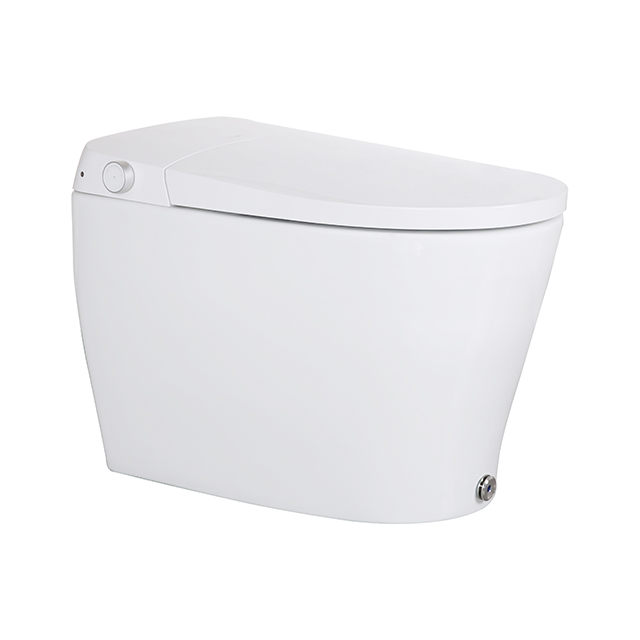
Regular toilets remain affordable and widely accessible. Their simple mechanical design keeps manufacturing and installation costs low. Smart toilet with bidet systems require a higher initial investment due to integrated electronics and advanced sanitation features. Premium brands such as COSO position themselves in the high-end segment, focusing on durable materials, precision engineering, and long-term reliability. Although the upfront expense is greater, many buyers consider it a strategic upgrade rather than a short-term purchase.
Electricity usage for heating water and powering sensors remains modest on an annual basis. Reduced toilet paper consumption helps offset part of this operational expense. In addition, efficient flushing systems minimize unnecessary water waste, which contributes to lower utility bills over time. While regular toilets do not consume electricity, they rely heavily on continuous paper use, which creates ongoing recurring costs that are often overlooked.
Regular toilets are mechanically simple and easy to repair with widely available parts. Smart toilets include electronic components that may require occasional servicing, such as filter replacement or descaling. COSO integrates high-quality internal water fittings engineered for thousands of flush cycles, reducing long-term failure risk. Advanced nano self-cleaning glaze also minimizes stain buildup and cleaning frequency. With proper maintenance, smart toilets can maintain stable performance for many years.
Over time, smart toilets may improve property value and buyer appeal, especially in modern renovations or luxury housing markets. Homebuyers increasingly view smart sanitation as part of a complete bathroom upgrade. Enhanced hygiene, comfort, and aesthetic appeal contribute to perceived value beyond direct cost savings.
Factor | Regular Toilet | Smart Toilet with Bidet |
Upfront Cost | Low | Medium to High |
Paper Use | High | Reduced |
Energy Use | None | Low |
Resale Appeal | Neutral | Increased |
Attachment seats require minimal structural modification and can be installed on existing bowls. Integrated smart toilets may require electrical routing or concealed tank systems. COSO wall-hung models hide water tanks within the wall, improving spatial aesthetics and simplifying floor cleaning. The choice depends on renovation scope and bathroom configuration.
Compact bathrooms often benefit from attachment solutions due to limited space. Larger bathrooms can incorporate fully integrated smart designs seamlessly, enhancing visual balance and modern appeal. Layout planning ensures that electrical access and plumbing connections remain accessible without compromising design.
Standard toilet installation may be manageable for experienced homeowners. Smart toilet installation, especially integrated models, often requires professional setup to maintain warranty validity and prevent leakage issues. Proper sealing and electrical safety checks are essential for long-term performance.
Tip: When planning renovation, pre-install electrical outlets near the toilet area to avoid future structural changes and additional labor costs.
Standard toilets average 1.6 gallons per flush. Smart toilets may use slightly more water during cleansing cycles, but they often reduce repeated flushing due to more effective hygiene. Over time, efficient water management systems balance overall consumption.
Reduced toilet paper usage lowers deforestation impact and decreases water and chemical usage in paper production. Transitioning to a smart toilet supports more sustainable personal hygiene habits.
COSO emphasizes water-saving siphonic flushing systems that maintain strong performance while reducing water volume per cycle. This balance supports eco-friendly bathroom solutions without sacrificing flushing efficiency or reliability.
Impact | Regular Toilet | Smart Toilet |
Water Per Flush | Standard | Optimized |
Paper Consumption | High | Low |
Surface Hygiene | Manual Cleaning | Nano Self-Cleaning Glaze |
Regular toilets tolerate varied water conditions and require minimal servicing. Their design simplicity contributes to reliability in basic installations.
Smart toilets require periodic maintenance such as filter replacement and internal cleaning in hard water areas. However, advanced ceramic coatings reduce staining frequency and improve surface durability. Modern internal systems are engineered for long operational life when properly maintained.
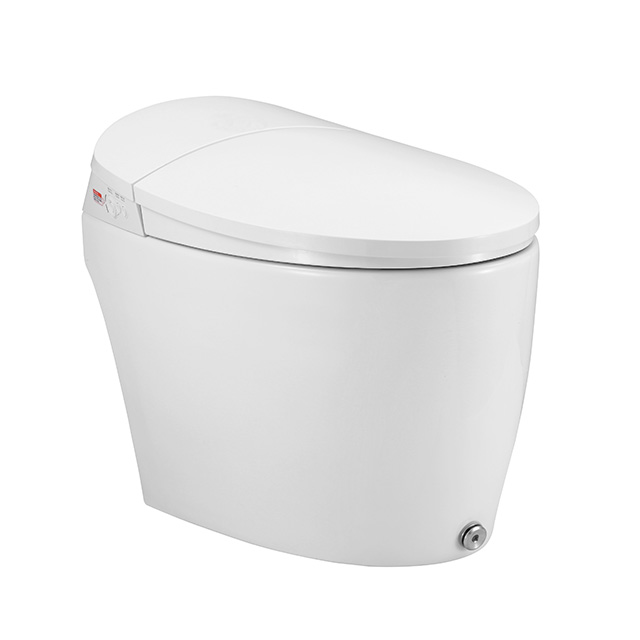
Many smart models include manual flush options during power outages. COSO systems maintain functional flushing even during temporary electrical interruption, ensuring uninterrupted usability. This backup capability reinforces reliability despite electronic integration.
Component | Regular Toilet | Smart Toilet |
Flush Mechanism | Mechanical | Electronic + mechanical |
Cleaning | Manual | Self-cleaning nozzle |
Surface Durability | Standard glaze | Nano self-cleaning glaze |
Rental properties or secondary bathrooms may prioritize simplicity and lower upfront investment. Regular toilets remain practical for these applications.
Primary bathrooms benefit from smart toilet with bidet systems offering enhanced hygiene, adjustable comfort settings, and modern automation. These features support daily convenience and improved sanitation.
Families with elderly members gain ergonomic support and accessibility advantages through automated functions and gentle cleansing systems. Smart toilets reduce physical strain and increase independence.
For homeowners seeking high-end sanitary solutions aligned with German engineering aesthetics, integrated smart toilets from brands like COSO provide both technical reliability and refined design presence. This combination of durability, hygiene performance, and contemporary styling makes them suitable for long-term bathroom modernization projects.
The difference between smart toilet and regular toilet goes beyond flushing. A regular toilet offers simple use and lower cost. A smart toilet with bidet adds hygiene, comfort, and automation. When comparing smart toilet vs traditional toilet pros and cons, lifestyle and budget matter most. COSO smart toilets provide advanced sanitation, durable ceramic quality, and modern design value for long-term bathroom upgrades.
A: In a regular toilet vs smart toilet with bidet comparison, the Smart Toilet adds water cleansing, heated seats, and automation for better hygiene.
A: Many users find a smart toilet with bidet worth it due to reduced paper use, improved comfort, and long-term value.
A: A smart toilet vs bidet attachment offers integrated design, hidden wiring, and more advanced smart toilet with bidet features explained.
A: The difference between smart toilet and regular toilet includes electronic parts, but most Smart Toilet models have self-cleaning and manual flush backup.