


Author: Site Editor Publish Time: 2026-03-04 Origin: Site
Smart toilets are changing bathrooms fast, yet many people still ask how to use a smart toilet properly. Modern models improve comfort and hygiene, and premium designs such as COSO smart toilets add refined features. In this guide, you will learn the correct steps, practical settings, and simple safety tips. You will also understand daily usage and discover how advanced smart toilet technology improves modern bathrooms while learning more about our products.
A smart toilet integrates several electronic and mechanical components designed to improve hygiene and comfort. The primary elements include a spray nozzle system, control interface, heated seat module, air drying system, and automated flushing mechanism. Each component performs a specific role but works together as part of a coordinated sanitation system. When a user approaches the unit, motion sensors often activate automatic lid opening or lighting features. Once the user sits down, a seat sensor confirms occupancy and allows washing functions to begin.
Inside the system, the nozzle mechanism is responsible for delivering a controlled water spray. This nozzle remains concealed until activated and retracts automatically after each use. Many models also include self-cleaning cycles to rinse the nozzle before and after operation, ensuring hygienic water delivery every time. The control panel or remote allows users to adjust spray intensity, water temperature, and spray position according to personal preference. Premium sanitary manufacturers often incorporate features such as nano self-cleaning glaze surfaces and precision ceramic construction to maintain cleanliness and durability in high-use environments.
Understanding these core components helps users operate the system confidently and safely.
Component | Primary Function | User Benefit |
Spray Nozzle | Delivers adjustable water stream | Improved personal hygiene |
Control Panel / Remote | Allows users to control functions | Easy customization |
Heated Seat | Provides temperature-controlled seating | Comfort in cold climates |
Warm Air Dryer | Dries the user after washing | Reduces toilet paper use |
Automatic Flush System | Flushes after user stands up | Hands-free hygiene |
Smart toilets offer several washing modes designed for different hygiene needs. The most common function is the rear wash, which delivers a targeted stream of warm water to clean the posterior area. Another commonly used option is the feminine wash mode, which provides a softer and slightly forward-angled spray designed for sensitive areas. These functions improve cleanliness while reducing irritation caused by dry wiping.
In addition to washing functions, smart toilets often include oscillating spray patterns and adjustable nozzle positions. Oscillation moves the nozzle forward and backward to improve cleaning coverage, while adjustable positioning ensures the water stream reaches the correct area. Many systems also offer pulse wash settings, which alternate water pressure for enhanced cleaning performance. These features allow users to tailor their experience for comfort and hygiene.
Another important feature is the warm air dryer. After the wash cycle finishes, the dryer gently blows warm air to remove moisture. This feature significantly reduces the need for toilet paper and supports more sustainable bathroom habits. Together, these advanced functions make smart toilets far more versatile than conventional fixtures.
Automation is one of the defining features of modern smart toilets. Sensor technology allows the unit to respond automatically to user movement and body position. When a user approaches, infrared sensors may trigger automatic lid opening or activate soft lighting for nighttime use. Once the user sits down, a seat sensor verifies presence and unlocks the washing controls.
Automatic flushing is another common function. After the user stands up, the toilet flushes automatically to maintain hygiene without requiring manual contact. Many systems also activate deodorization systems during use to neutralize odors. Advanced smart toilet models incorporate intelligent sensing systems that can automatically open lids, trigger flushing when the user leaves the seat, and maintain a cleaner bathroom environment with minimal user interaction.
These automated features create a more hygienic environment and reduce the number of surfaces users need to touch.
Note: Sensor functions vary by manufacturer and model. Always review the specific control interface and safety instructions before first use.
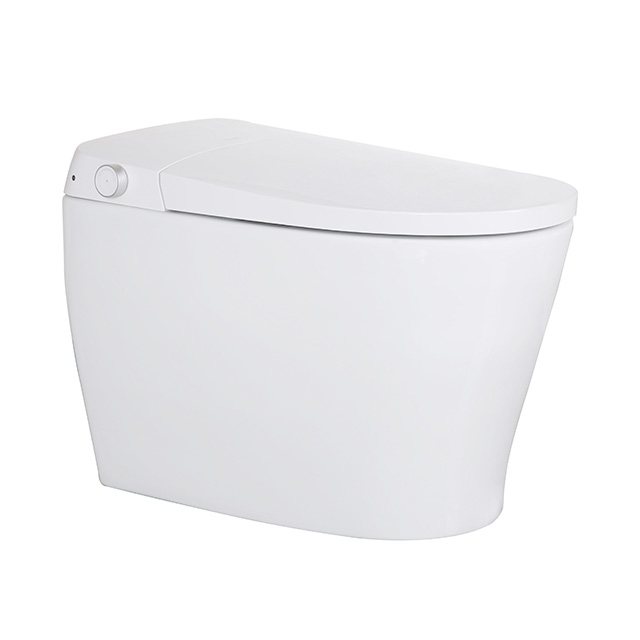
Most smart toilets are designed to begin operating automatically when a user approaches. Motion sensors may lift the lid or activate the control panel. If the unit does not have automatic lid functionality, the user can open the lid manually before sitting down. Sitting in the center of the seat is important because the built-in sensor detects body weight and activates the electronic washing system.
Once seated, the smart toilet prepares the washing functions for operation. At this stage, the nozzle remains inside the unit until the wash button is pressed. The seat sensor prevents accidental spraying if the seat is unoccupied. This safety feature ensures that water is only released when a user is properly seated.
Correct seating position also improves washing accuracy. Sitting too far forward or backward may affect the spray angle and cleaning effectiveness. Users should sit naturally, keeping their weight evenly distributed on the seat to allow sensors and spray functions to work correctly.
After the seat sensor activates the system, the user can begin the cleaning cycle. The wash function is typically activated through the remote control or side control panel. Pressing the rear wash button extends the nozzle and begins spraying warm water. For users who prefer a gentler cleaning option, the feminine wash function provides a softer spray.
It is recommended to start the wash cycle with the lowest pressure setting. This allows the user to become familiar with the spray sensation and adjust settings gradually. The cleaning cycle typically lasts between one and two minutes and stops automatically in most models.
Tip: Begin with low pressure and lukewarm water when using a smart toilet for the first time. Gradually adjust the settings once you feel comfortable with the spray.
Smart toilets allow users to personalize the cleaning experience through adjustable settings. Water pressure can usually be increased or decreased using buttons on the remote control. Spray position can also be adjusted forward or backward to improve accuracy and comfort.
Temperature adjustment is another important feature. Warm water cleaning improves comfort and is often preferred in colder climates. However, extremely hot water may irritate sensitive skin, so moderate temperatures are generally recommended. Many modern smart toilet systems also provide instant water heating technology to ensure a stable water temperature during use, improving comfort and hygiene consistency.
Users can experiment with different combinations of pressure and temperature to find the most comfortable balance.
Once the washing cycle is complete, users can activate the warm air dryer to remove remaining moisture. The dryer typically runs for one to three minutes depending on the model and user settings. Warm air drying eliminates the need for large amounts of toilet paper and supports environmentally friendly bathroom habits.
Some users combine air drying with a small amount of toilet paper for faster results. This hybrid approach shortens drying time while still reducing paper consumption significantly. The drying cycle can usually be stopped manually by pressing the stop button or standing up.
Drying Method | Typical Time | Comfort Level | Sustainability |
Toilet Paper Only | 5–10 seconds | Moderate | Higher paper usage |
Warm Air Dryer | 1–3 minutes | High | Minimal paper use |
Dryer + Small Paper Dab | 20–60 seconds | Very high | Balanced |
When the user stands up, most smart toilets automatically flush the bowl. The nozzle also performs a self-cleaning rinse before retracting into the housing. This automatic sanitation step helps maintain hygiene for the next use.
Some models allow users to flush manually through the remote control or side panel. After flushing, the lid may close automatically depending on the model’s sensor settings. This completes the smart toilet usage process.
Users should always ensure that clothing is clear of the spray area before activating wash functions. Taking a few moments to confirm settings and positioning prevents accidental splashing and improves overall comfort.
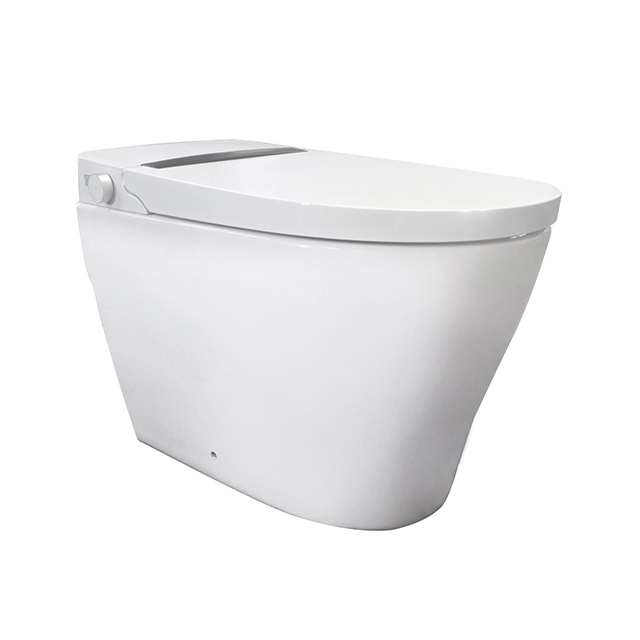
One of the main advantages of smart toilets is superior hygiene compared with traditional wiping methods. Water-based cleaning removes residue more effectively than dry toilet paper alone. A gentle water stream can reach areas that paper cannot clean thoroughly, reducing the risk of irritation or incomplete cleaning.
Self-cleaning nozzles also help maintain hygiene. Many smart toilets rinse the nozzle automatically before and after each use, preventing contamination and ensuring clean water delivery. Combined with smooth ceramic surfaces and anti-bacterial glazing technologies used in some high-end sanitary products, this system helps maintain a cleaner bowl and reduces bacterial buildup over time.
Smart toilets significantly reduce the need for toilet paper. Since water performs most of the cleaning process, users typically require only a small amount of paper for drying. This reduction decreases household waste and lowers the long-term cost of bathroom supplies.
From an environmental perspective, using less toilet paper helps conserve natural resources. Paper production requires water, energy, and raw materials, so reducing consumption supports more sustainable living practices.
Hygiene Method | Cleaning Effectiveness | Skin Comfort | Environmental Impact |
Toilet Paper Only | Moderate | May cause irritation | High paper consumption |
Smart Toilet Wash | High | Gentle on skin | Reduced waste |
Smart Toilet + Dryer | Very high | Very comfortable | Minimal paper use |
Water cleaning is often more comfortable for individuals with sensitive skin. Conditions such as hemorrhoids or irritation can make traditional wiping uncomfortable. Warm water cleansing provides a gentler alternative that reduces friction and discomfort.
Smart toilets also allow users to customize spray intensity and temperature, creating a personalized hygiene routine. This level of control makes smart toilets particularly beneficial for elderly users or individuals with limited mobility.
Note: Users with medical conditions should begin with low water pressure and moderate temperature settings.
First-time users should always begin with the lowest spray pressure. This prevents discomfort and allows users to become familiar with the sensation gradually. Once comfortable, pressure can be increased slightly for more thorough cleaning.
Heated seats and warm water washing add comfort but must be used responsibly. Extremely high temperatures may cause discomfort or mild burns. Always verify temperature levels before beginning the wash cycle.
Smart toilets are designed exclusively for seated use. Standing on the lid or seat can damage internal components and create safety risks. Users should also avoid placing heavy objects on the lid or control panel.
Tip: If the sensor or automation system behaves unexpectedly, consult the manufacturer’s guide rather than attempting self-repair.
Although most smart toilets include self-cleaning systems, occasional manual cleaning ensures optimal hygiene. A soft cloth and mild detergent can be used to wipe the exposed nozzle area and seat surfaces. Abrasive cleaners should be avoided because they may damage plastic components.
Users should periodically inspect water supply hoses and filters. Mineral buildup in hard-water areas can affect spray performance over time. Replacing filters and cleaning spray outlets helps maintain consistent water flow.
Remote controls and side panels are frequently touched surfaces. Cleaning these components regularly prevents bacterial buildup and ensures smooth button operation.
Smart toilets improve hygiene and comfort in modern bathrooms. Proper use involves simple steps like washing, adjusting settings, drying, and automatic flushing. COSO smart toilet products provide reliable performance, efficient cleaning, and durable design, helping users enjoy a more convenient and comfortable daily bathroom experience.
A: Sit to activate sensors, start wash, adjust pressure, then use the dryer and automatic flush.
A: Sensors activate washing, drying, and flushing functions to improve hygiene and comfort.
A: A Smart Toilet offers better hygiene, adjustable cleaning, and reduced toilet paper use.
A: Adjust water pressure, spray position, and temperature for a comfortable cleaning experience.