


Author: Site Editor Publish Time: 2026-03-04 Origin: Site
Smart bathrooms are growing fast today. The Smart Toilet market is expanding worldwide. Global Smart Toilet Market Growth continues to rise each year. In this article, you will explore Smart Toilet Market Trends and the Smart Toilet Market Forecast 2030. Products from brands like COSO show how smart toilets bring hygiene, efficiency, and modern comfort to bathrooms.
The Smart Toilet market refers to intelligent toilet systems that integrate electronic controls, sensors, and advanced hygiene technologies. These products often include bidet washing functions, heated seats, automatic flushing, deodorization systems, and self-cleaning features. Unlike traditional toilets, smart toilets deliver a combination of sanitation, comfort, and automation in a single bathroom fixture. This technological integration has turned a standard utility product into a high-value smart home device.
The scope of the market includes both complete smart toilet units and smart bidet seats that convert standard toilets into intelligent systems. Manufacturers also develop commercial-grade solutions for hotels, airports, healthcare facilities, and premium office buildings. As smart bathroom adoption increases worldwide, the market continues to diversify with products targeting different price levels and installation environments. Modern smart toilet models often include bidet washing, heated seating, deodorization, and sensor-based operation. Companies like COSO also focus on durable ceramic materials and self-cleaning surface technology to enhance hygiene and long-term reliability.
Recent Smart Toilet Industry Analysis 2026 indicates that the global smart toilet market is expanding rapidly. Industry reports estimate that the market has already reached several billion dollars in annual value, with strong momentum expected through 2030. Asia-Pacific currently dominates global adoption due to early technological development and cultural familiarity with bidet technology. Japan and South Korea have long been leaders in intelligent bathroom systems, and China is now experiencing rapid expansion in domestic demand.
North America and Europe are also seeing increasing growth rates as consumers adopt smart home devices. Premium housing developments often include smart bathrooms as a standard feature, and renovation projects frequently incorporate smart sanitaryware. These regional trends illustrate how smart toilet technology is shifting from a luxury product toward a mainstream home upgrade.
The smart toilet industry can be divided into several key segments based on application and product type. The largest segment is residential smart toilets, which serve homeowners seeking convenience and hygiene improvements. Another important segment is commercial installations, where hotels, airports, and hospitals install intelligent toilets to improve sanitation and user satisfaction.
A third segment includes luxury smart bathroom systems designed for premium residential properties and high-end hospitality environments. These models often include advanced features such as automatic lids, AI-based sensors, and personalized user settings. As the market matures, manufacturers continue to develop specialized solutions for different consumer needs.
Market Segment | Key Applications | Growth Potential |
Residential Smart Toilets | Homes and apartments | High |
Commercial Installations | Hotels, offices, airports | Moderate to high |
Luxury Smart Bathrooms | Premium residences and resorts | High |
The demand for Smart Bathroom technology is increasing as consumers seek more comfortable and automated living environments. Smart toilets are a central component of this transformation because they combine hygiene technology and convenience in one device. Homeowners increasingly prefer bathroom fixtures that reduce manual contact and improve cleanliness. As awareness of smart home technology grows, smart toilets are becoming a common upgrade in modern bathrooms.
In addition, digital lifestyle trends encourage homeowners to integrate connected devices throughout the home. Smart lighting, voice assistants, and climate control systems have already become common, and bathroom technology is following the same path. Smart toilets therefore represent a natural extension of the connected home ecosystem.
Global health events have significantly changed consumer attitudes toward hygiene. People now pay greater attention to sanitation in both private and public environments. Smart toilets address this concern by offering touchless operation and improved cleaning technologies. Automatic flushing, self-cleaning nozzles, and antimicrobial surfaces reduce the risk of contamination.
This shift in hygiene awareness has influenced both residential and commercial sectors. Hotels, hospitals, and airports increasingly install intelligent sanitation systems to maintain high hygiene standards. As a result, the Smart Toilet Demand Trends Worldwide continue to strengthen in markets where public health concerns remain a priority.
Another major Smart Toilet Market Trend is integration with smart home platforms. Many modern smart toilets now support wireless connectivity and remote control functions. Some models allow users to adjust seat temperature, water pressure, and cleaning settings through mobile applications or voice assistants.
This connectivity enhances user experience and creates opportunities for future innovation. As Internet of Things technology expands, smart toilets may communicate with other household systems to optimize energy usage or personalize comfort settings. Integration with smart home ecosystems therefore plays an important role in shaping the Future of Smart Toilet Technology.
Environmental sustainability is another major factor driving the adoption of smart sanitaryware. Water conservation has become a global priority, especially in regions experiencing water shortages. Smart toilets often include dual-flush systems and precision water control technology that significantly reduce water consumption compared with traditional toilets.
Manufacturers also design products that minimize toilet paper usage by incorporating bidet cleaning and warm air drying functions. These features help households reduce waste while maintaining high hygiene standards. As governments introduce stricter water efficiency regulations, smart toilets are likely to gain even greater market traction.
Tip: For property developers, installing water-efficient smart toilets can help projects meet sustainability certification standards.

Asia-Pacific remains the largest market for smart toilets. Countries such as Japan, South Korea, and China have long embraced intelligent bathroom technology. Cultural familiarity with bidets and advanced sanitation systems has encouraged widespread adoption. In Japan, smart toilets are already considered a standard household appliance rather than a luxury product.
China has also experienced rapid growth in smart toilet demand as urbanization and rising income levels reshape consumer lifestyles. Domestic manufacturers and international brands compete actively in this region, creating a dynamic and competitive market environment.
North America is experiencing steady growth in smart bathroom adoption. Consumers in the United States and Canada increasingly value convenience, hygiene, and modern design. Luxury residential developments frequently include smart bathroom fixtures as part of premium home packages. Renovation projects also contribute to market expansion as homeowners upgrade traditional bathrooms.
Retail channels and online platforms have made smart toilets more accessible to consumers. As product awareness increases, adoption rates are expected to accelerate across the region.
European markets focus strongly on sustainability and design aesthetics. Consumers in countries such as Germany, the United Kingdom, and France value environmentally responsible products. Smart toilets with water-saving technologies align well with these preferences.
In addition, European bathroom design trends emphasize minimalism and integrated functionality. Smart toilets complement this design philosophy by combining multiple features into a single compact unit.
Emerging economies in Southeast Asia, the Middle East, and Latin America represent important growth opportunities for the smart toilet industry. Rapid urban development and increasing disposable income are encouraging consumers to adopt modern bathroom technologies. Although price sensitivity remains a challenge in some regions, demand is gradually increasing as products become more affordable.
Region | Market Status | Growth Outlook |
Asia-Pacific | Market leader | Very strong |
North America | Rapid adoption | Strong |
Europe | Sustainability focus | Moderate to strong |
Emerging Markets | Early adoption stage | High potential |
Urbanization is a major factor behind Smart Toilet Industry Growth. As cities expand, new housing developments incorporate advanced infrastructure and modern amenities. Smart home technology is often integrated into these projects from the design stage, making intelligent bathroom fixtures a logical addition.
Developers also use smart bathroom systems to differentiate their properties in competitive real estate markets. Buyers increasingly expect modern conveniences in newly built homes, and smart toilets help meet these expectations.
Rising income levels allow consumers to invest more in home improvement and comfort upgrades. Premium bathroom design has become an important element of interior decoration, especially in urban apartments and luxury homes. Smart toilets offer a combination of technological innovation and aesthetic appeal, making them attractive to consumers seeking modern living standards.
Continuous innovation drives the Future of Smart Toilet Technology. Manufacturers are developing more advanced sensors, improved self-cleaning systems, and more efficient water control mechanisms. Some models now include automatic deodorization and intelligent temperature control features.
These innovations not only enhance user experience but also increase product reliability. As manufacturing costs decrease and technology improves, smart toilets are expected to become accessible to a broader consumer base. Some manufacturers now combine ergonomic design with advanced flushing systems and nano-coated ceramic surfaces. Products from brands such as COSO illustrate how German-inspired engineering and smart sensing technology are shaping the next generation of intelligent sanitaryware.
Government policies promoting water conservation also support market growth. Many countries have introduced regulations that limit water consumption in household appliances. Smart toilets often exceed these standards by using optimized flushing technology and precise water management systems.
Note: Compliance with regional water efficiency standards can significantly influence product design and certification requirements.
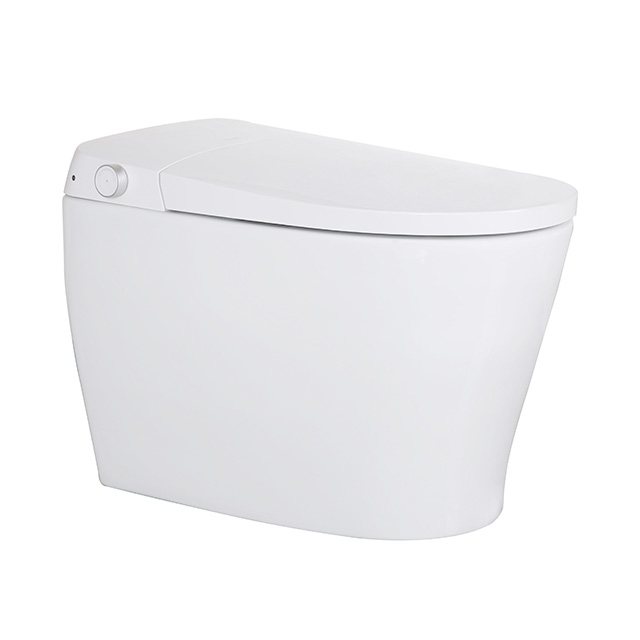
Industry forecasts suggest that the Smart Toilet Market Forecast 2030 will show consistent growth over the next decade. Analysts predict a strong compound annual growth rate driven by smart home expansion and increasing hygiene awareness. Market growth will likely accelerate as production costs decrease and product awareness improves among consumers.
Several technological innovations are expected to influence the market in the coming years. These include advanced water purification systems, improved self-cleaning technology, and AI-enabled sensors that adjust settings automatically. Manufacturers are also exploring health monitoring features that may analyze certain biological indicators.
Residential demand remains the largest contributor to market growth. However, commercial adoption is also increasing in hotels, airports, and healthcare facilities. These environments require high sanitation standards and efficient water management, making smart toilets an ideal solution.
Market researchers anticipate strong annual growth rates through 2030. Increased global urbanization, rising income levels, and technological innovation will continue to drive market expansion.
Forecast Indicator | 2026 Estimate | 2030 Projection |
Global Market Size | Growing rapidly | Significantly larger |
Adoption Rate | Moderate | High |
Smart Home Integration | Increasing | Standard feature |
The smart toilet market includes several established global manufacturers that dominate the premium segment. These companies invest heavily in research and development to maintain technological leadership.
New brands are entering the market with cost-efficient smart toilet solutions. Their focus is often on affordability and simplified design.
Manufacturers differentiate products through advanced hygiene systems, water efficiency improvements, and user-friendly digital interfaces. In this competitive market, brands differentiate their products through improved flushing power, antibacterial surfaces, energy-efficient heating, and intelligent automation. For instance, COSO smart toilet solutions integrate strong siphonic flushing systems, nano self-cleaning glaze surfaces, and quiet operation designed for modern homes and hospitality environments.
Collaboration with smart home technology providers is becoming increasingly important. Partnerships help integrate smart toilets into broader home automation ecosystems.
Smart Toilet Market Trends show strong growth ahead. Demand for hygiene and automation keeps rising worldwide. The Smart Toilet Market Forecast 2030 predicts wider use in homes and commercial spaces. COSO smart toilet products offer reliable flushing, efficient water use, and modern comfort for future bathrooms.
A: Smart Toilet Market Trends focus on hygiene, automation, and water efficiency as smart bathrooms become more common worldwide.
A: The Smart Toilet Market Forecast 2030 predicts strong global growth driven by smart home adoption and demand for hygienic bathroom technology.
A: Global Smart Toilet Market Growth is rising because consumers want touchless sanitation, comfort features, and sustainable water use.
A: The Future of Smart Toilet Technology will include smarter sensors, improved hygiene systems, and better smart home integration.