


Author: Site Editor Publish Time: 2026-03-03 Origin: Site
Installing a smart toilet sounds simple. Yet many failures come from poor setup. A clear smart toilet installation guide helps you avoid leaks and wiring risks. In this article, you will learn how to install a smart toilet step by step, including smart toilet plumbing requirements and electrical planning. Brands like COSO offer advanced models, but correct installation ensures full performance.
Before starting any smart toilet setup, confirm that plumbing conditions meet manufacturer standards. Most smart toilet plumbing requirements include a 1/2-inch water inlet and stable pressure between 0.07 MPa and 0.75 MPa. Low pressure reduces bidet spray performance and weakens cleaning strength. Excessive pressure stresses internal valves and may shorten component lifespan. In commercial settings, separate shutoff valves for each unit improve maintenance efficiency and reduce downtime. Inspect the drain pipe diameter as well. Standard outlets measure 100mm or 110mm. Incorrect alignment causes unstable sealing and long-term leakage. Addressing plumbing compatibility early prevents rework after tile installation and ensures flushing systems—especially large-diameter siphonic designs used in brands like COSO—operate at peak efficiency.
Smart toilet electrical requirements are often underestimated. Most integrated models require a GFCI-protected 120V outlet located within 1–1.5 meters of the unit. Without ground-fault protection, safety risks increase and warranties may become invalid. High-wattage models operating between 1200–1500W may require a dedicated 15–20 amp circuit. Avoid extension cords. They increase overheating risk and are typically prohibited by manufacturers. Electrical planning must occur before wall finishing to maintain clean aesthetics. This is especially important for wall-hung smart toilet installations where concealed wiring supports minimalist design. Proper grounding ensures stable operation of heated seats, instant water heating, and smart sensing systems.
Smart toilet rough in dimensions must align with your bathroom layout. The standard rough-in size is 12 inches (305mm) from the finished wall to the center of the drain flange. Some models support 400mm configurations to accommodate international building standards. Brands such as COSO provide multiple rough-in options to ensure global compatibility. Miscalculation leads to costly plumbing relocation and installation delay. Measure after wall finishing, not before drywall installation. In wall hung smart toilet installation, frame positioning determines final alignment and long-term structural stability.
Space clearance influences usability and regulatory compliance. Many building codes require adequate front and side clearance to ensure comfort and accessibility. Insufficient clearance reduces usability and may violate accessibility standards in hotels or healthcare facilities. Evaluate floor leveling as well. Uneven surfaces compromise wax ring sealing and cause wobbling. Conducting a full infrastructure review protects both structural safety and final user satisfaction.
Tip: For B2B developers installing more than 20 units, conduct a pressure and voltage audit across all bathrooms before product delivery to prevent repeated reinstallation costs.
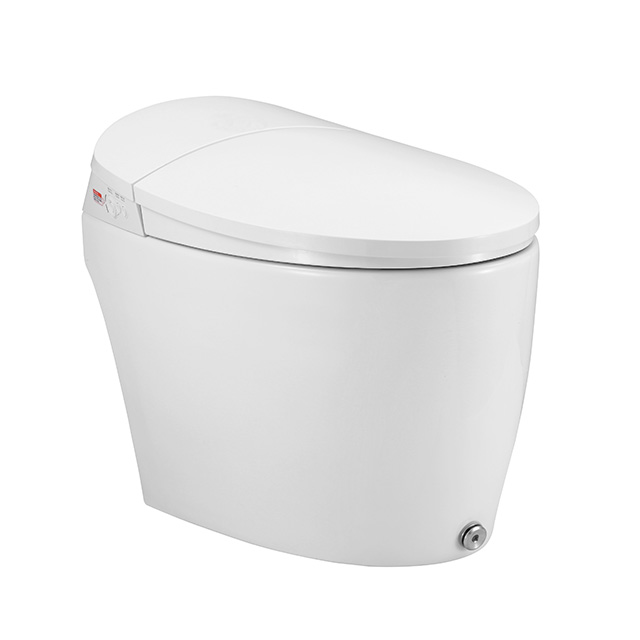
DIY smart toilet installation requires structured preparation. Essential tools include adjustable wrenches, pliers, screwdrivers, measuring tape, level, utility knife, and silicone sealant. A torque wrench ensures controlled tightening between 20–25N·m, preventing ceramic damage. Over-tightening cracks the base. Under-tightening causes movement and leakage. Prepare buckets and towels to manage residual water. Organized preparation reduces installation time and improves sealing accuracy.
Key components include a wax ring or rubber gasket, closet bolts, flexible braided supply hose, and mounting brackets. For wall hung smart toilet installation, a concealed tank carrier frame and load-bearing anchors are required. High-end models often include complete installation kits, reducing sourcing errors. Verifying all components before starting avoids downtime during installation and maintains workflow efficiency.
Turn off the water supply completely. Disconnect electrical circuits if adjusting outlets. Clear surrounding tiles and protect finished surfaces. Wear gloves to prevent injury from flange edges. These steps reduce risk and maintain a professional installation environment.
Close the shutoff valve behind the toilet. Flush to empty the tank and bowl. Sponge remaining water into a bucket. Disconnect the water line carefully to prevent thread stripping. Controlled removal prevents water damage to flooring and cabinetry.
Loosen closet bolts evenly. Gently rock the toilet to break the wax seal. Lift straight up to avoid damaging the flange. Removing the unit vertically preserves drain alignment and prevents cracking.
Inspect the flange for corrosion, cracks, or looseness. Replace damaged parts before installing the new smart toilet. Check subfloor integrity. A weak base undermines sealing and stability. Repairing early prevents long-term leakage under high-performance flushing systems.
Center a new wax ring or sealing gasket onto the flange. Proper compression ensures a watertight barrier. Uneven placement causes slow leaks that damage flooring over time. Always use new sealing components.
Align the toilet base with closet bolts. Lower carefully and apply even pressure to compress the seal. Confirm alignment before tightening bolts. High-temperature ceramic bodies, such as those used in COSO smart toilets, are durable but still require balanced installation force to prevent stress cracks.
Hand-tighten nuts first. Then apply a quarter turn using a wrench. Avoid excessive torque. Cracked porcelain requires full replacement. Use a level to confirm horizontal alignment and eliminate wobble.
Wrap Teflon tape around threaded fittings. Attach the braided hose securely. Turn on water slowly and inspect for leaks. Stable water supply supports dual-flush systems and instant heating functions.
Plug into a certified GFCI outlet. Avoid adapters or extension cables. Test heated seat, wash functions, and automatic flush systems to verify stable power delivery.
Run multiple flush cycles. Activate bidet spray and dryer. Inspect base and supply connections. Adjust nozzle and seat temperature settings. Confirm smart sensing functions respond correctly.
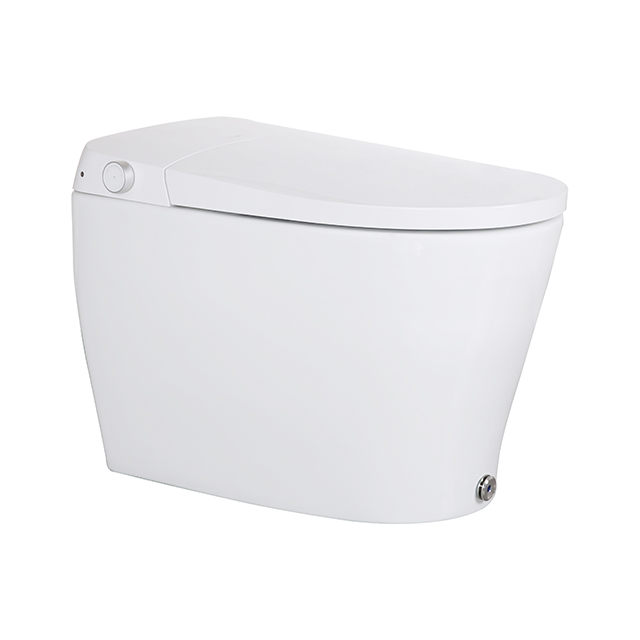
Wall hung smart toilet installation requires a reinforced carrier frame anchored to structural studs. It must support loads above 400kg for safety. Incorrect anchoring leads to structural failure and tile damage.
Attach concealed drainage and water inlets precisely. Perform pressure testing before closing the wall. Hidden leaks require expensive demolition later.
Secure the bowl onto threaded rods. Tighten evenly and verify level alignment. Install flush panel and power supply. Concealed systems create minimalist aesthetics and eliminate hygiene blind spots.
Test flush cycles repeatedly. Confirm siphonic discharge removes waste completely while maintaining low noise. Advanced systems emphasize powerful yet quiet performance.
Adjust seat temperature, water pressure, and drying intensity. Personalized configuration improves daily usability and reduces service requests in hospitality projects.
Test automatic lid opening and foot-sensor flushing. Confirm stability. Smart sensing systems enhance hygiene but depend on correct calibration.
Note: In hotel projects, complete testing before guest room handover to reduce early maintenance calls.
Leaks typically result from uneven wax compression or flange misalignment. Remove and reinstall if necessary. Ignoring minor leaks leads to floor damage and mold growth.
Check water pressure and filter screens. Replace clogged filters. Confirm supply valve is fully open. Adequate pressure ensures hygiene performance.
Reset the GFCI outlet. Verify circuit breaker status. Persistent issues require licensed electrician inspection.
Installation cost varies by complexity and structural modification.
Installation Type | Time Required | Cost Level |
Bidet Seat Retrofit | 30–60 min | Low |
Floor-Mounted Integrated | 2–4 hrs | Medium |
Wall Hung System | 4+ hrs | High |
Professional installation reduces warranty risk and ensures code compliance. DIY smart toilet installation lowers upfront cost but requires careful adherence to smart toilet plumbing requirements and smart toilet electrical requirements.
Use mild, non-abrasive cleaners to protect nano self-cleaning glaze surfaces. This reduces bacteria adhesion and lowers cleaning frequency.
Check hoses and valves quarterly. Early detection prevents leakage under pressure. Replace worn seals promptly.
Test GFCI monthly. Replace filters every 6–12 months. Preventive care extends component lifespan and protects investment.
Maintenance Task | Frequency | Purpose |
Nozzle Self-Clean | Weekly | Hygiene protection |
Descaling | Monthly | Prevent mineral buildup |
Filter Replacement | 6–12 months | Maintain spray pressure |
Successful smart toilet installation requires accurate measurement and compliance with smart toilet plumbing requirements and electrical standards. Correct smart toilet rough in dimensions prevent costly mistakes and ensure stable performance. Following a clear smart toilet installation step by step process protects safety and durability. COSO smart toilet products offer powerful siphonic flushing, nano-glazed hygiene protection, and ergonomic comfort, delivering long-term value when installed properly.
A: A smart toilet installation guide explains smart toilet plumbing requirements, smart toilet electrical requirements, and smart toilet rough in dimensions step by step.
A: To install a smart toilet safely, confirm GFCI power, correct rough-in size, and follow smart toilet installation step by step instructions.
A: DIY smart toilet installation is possible for floor-mounted units, but wall hung smart toilet installation often needs professional support.
A: Most issues come from incorrect smart toilet plumbing requirements, weak water pressure, or improper electrical setup.