


Author: Site Editor Publish Time: 2026-03-04 Origin: Site
Bathrooms are getting smarter today, and many people now ask: What Does a Smart Toilet Do? A Smart Toilet adds comfort, hygiene, and modern convenience to daily routines. In this guide, you will discover Smart Toilet Features Explained, including how these systems work and why they are popular. Brands like COSO offer advanced smart toilet solutions designed for modern homes—learn more about our products.
A smart toilet is an advanced bathroom fixture designed to improve the user experience through integrated technology. Unlike traditional toilets that only perform a simple flush function, smart toilets incorporate sensors, automated systems, and customizable settings that allow users to control various aspects of their bathroom routine. These toilets can automatically detect when a person approaches or leaves the seat, activating functions such as opening the lid or flushing the bowl. Many smart toilets also include built-in bidet systems that provide water-based cleaning, reducing the need for toilet paper and improving hygiene. Because they are designed with convenience and efficiency in mind, smart toilets are often seen as a major upgrade from conventional bathroom fixtures.
Smart toilets rely on several technologies that work together to create a seamless user experience. Motion sensors detect presence and activate automated functions like flushing or lighting. Electronic control systems regulate water pressure, temperature, and spray position for bidet functions. Some models use remote controls or digital panels that allow users to adjust these settings easily. Other advanced features include energy-efficient heating systems for seats and intelligent flush mechanisms that reduce water consumption. By combining automation and precise control, smart toilets deliver a modern bathroom experience that prioritizes hygiene, comfort, and environmental sustainability.
Traditional toilets are designed for basic functionality, mainly flushing waste using gravity or pressure. Smart toilets, on the other hand, transform this simple process into a more advanced and personalized experience. Instead of relying solely on manual operation, smart toilets automate several tasks such as lid opening, flushing, and cleaning. These models also provide additional comfort features including heated seats, warm water washing, and air drying. The following table highlights the primary differences between the two types of toilets.
Feature | Traditional Toilet | Smart Toilet |
Flushing | Manual handle | Automatic sensor flush |
Cleaning | Toilet paper only | Bidet water cleaning |
Comfort | Standard seat | Heated adjustable seat |
Hygiene | High contact surfaces | Touchless operation |
Technology | Mechanical system | Electronic controls |
Note: When evaluating bathroom upgrades, homeowners should compare hygiene improvements and automation benefits rather than focusing only on initial cost.
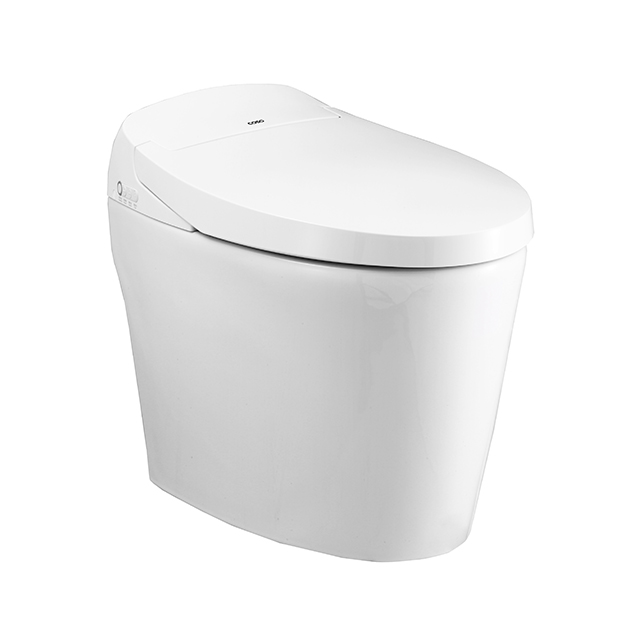
One of the most recognizable features of a smart toilet is its automatic flushing system. Instead of pressing a lever, sensors detect when the user leaves the seat and trigger the flushing mechanism automatically. This process uses infrared or motion detection technology to identify movement and activate the flush at the appropriate time. The system eliminates the need to touch surfaces, which helps reduce bacteria transmission in the bathroom environment. Automatic flushing also ensures that the toilet is consistently cleaned after every use, which improves hygiene and convenience.
Touchless technology provides several benefits beyond convenience. In households where multiple people share the same bathroom, minimizing contact with frequently touched surfaces can significantly reduce the spread of germs. Smart toilets remove the need to touch the lid, seat, or flush handle. This feature also improves accessibility for elderly users or individuals with limited mobility because they do not need to bend or reach to operate the toilet manually.
Modern smart toilets are designed with water conservation in mind. Intelligent flush systems adjust water usage based on the type of waste being removed. Some models include dual-flush technology that allows a lighter flush for liquid waste and a stronger flush for solid waste. These systems can reduce water consumption compared with traditional toilets while maintaining effective performance. The table below illustrates typical water usage differences.
Toilet Type | Average Water per Flush | Annual Water Use |
Older Toilets | 3.5–5 gallons | Very high |
Standard Modern Toilets | 1.6 gallons | Moderate |
Smart Toilets | 0.6–1.2 gallons | Low |
Tip: Choosing a smart toilet with an efficient flush system can reduce long-term water costs while also supporting environmental sustainability.
A built-in bidet is one of the most important features that defines a smart toilet. Instead of relying solely on toilet paper for cleaning, the bidet uses a controlled stream of water to wash the user after using the toilet. This approach is widely considered more hygienic because water cleaning removes residue more effectively than paper alone. Many cultures around the world have used bidets for decades, and integrating this function into the toilet itself makes the process far more convenient.
Smart toilet bidets allow users to control several aspects of the washing process. Adjustable water pressure ensures that the spray can be gentle or stronger depending on personal preference. Temperature control provides warm water cleaning, which improves comfort and encourages users to rely less on toilet paper. These customizable settings make the cleaning process both effective and pleasant.
Many smart toilets offer different washing modes designed for various needs. Rear washing provides standard cleaning, while front washing is designed for more delicate hygiene purposes. Some advanced models also include oscillating or pulsing spray patterns that increase cleaning effectiveness. These additional functions transform the toilet into a personal hygiene system rather than simply a waste disposal fixture.
A heated seat is often the feature that first attracts homeowners to smart toilets. During cold weather, sitting on a cold toilet seat can be uncomfortable. Heated seats solve this problem by maintaining a warm and consistent temperature. This feature improves comfort significantly, especially in colder climates where bathroom fixtures often feel cold in the morning or late at night.
Most smart toilets include adjustable heating levels so that users can select their preferred temperature. These settings are typically controlled through a remote or digital panel. Some models also remember the user’s previous preferences, allowing the seat temperature to remain consistent over time.
Despite providing warmth, modern heated seats are designed to use energy efficiently. Many models include energy-saving modes that automatically lower the temperature when the toilet is not in use. Sensors can also activate the heating system only when someone approaches the toilet, preventing unnecessary power consumption.
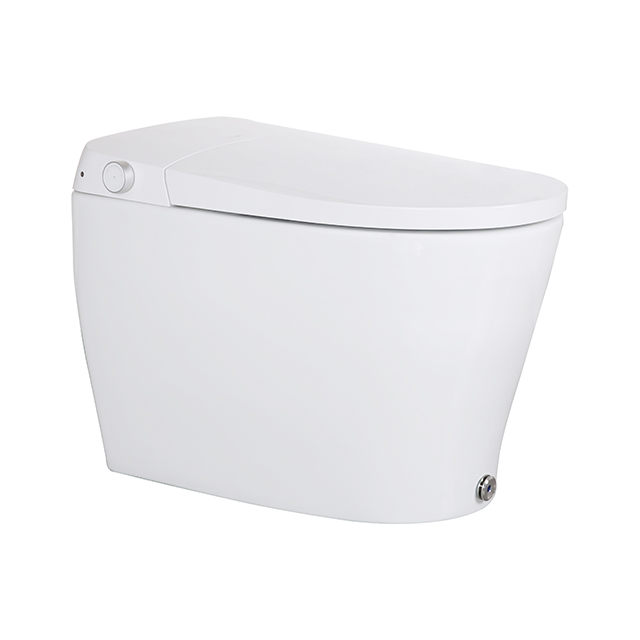
After using the bidet cleaning function, many smart toilets activate a warm air dryer. This feature gently dries the user without requiring toilet paper. The process improves hygiene and reduces waste while providing additional comfort. For households that want to minimize paper use, the air drying system is one of the most practical advantages of smart toilet technology.
Similar to bidet settings, air drying systems usually allow users to adjust temperature and airflow strength. These controls ensure that the drying process remains comfortable while still effective. Some models offer multiple levels so users can find the perfect balance between warmth and airflow.
Reducing toilet paper usage has environmental benefits. Producing toilet paper requires significant water and energy resources, and reducing consumption can help lower environmental impact. Smart toilets that combine bidet washing and air drying provide a sustainable alternative for modern households.
To maintain sanitation, many smart toilets include self-cleaning nozzles that rinse automatically before and after each use. This process ensures that the bidet components remain clean and ready for the next user. Automatic cleaning reduces the chance of contamination and improves overall hygiene.
Some high-end smart toilets use ultraviolet light or antimicrobial coatings to eliminate bacteria in the bowl or nozzle system. These technologies help maintain a cleaner toilet environment while reducing the need for frequent manual cleaning.
Although smart toilets include automated cleaning functions, routine maintenance is still recommended. However, the combination of self-cleaning systems and antimicrobial surfaces reduces the effort required to keep the toilet sanitary.
Smart toilets often include built-in deodorization systems that remove unpleasant odors directly from the bowl. These systems typically use filters or ventilation technology to capture odor particles before they spread throughout the bathroom.
Air filtration improves indoor comfort by maintaining fresh air inside the bathroom. Some smart toilets circulate air through activated carbon filters, neutralizing smells quickly and efficiently.
Advanced models activate deodorization automatically when sensors detect usage. This function helps maintain a consistently fresh environment without requiring manual adjustments.
Many smart toilets include LED night lights that illuminate the bowl or surrounding area during nighttime use. This feature allows users to navigate the bathroom safely without turning on bright overhead lights.
Motion sensors activate the light when someone enters the bathroom. This automatic response improves convenience and prevents the need to search for switches in the dark.
Night lighting also improves safety by reducing the risk of accidents, particularly for children or elderly individuals who may need to use the bathroom at night.
Most smart toilets provide a remote control or digital control panel. These devices allow users to adjust settings such as water pressure, seat temperature, drying temperature, and flushing functions.
Some advanced smart toilets allow multiple user profiles. Each person can store preferred settings, making the experience consistent and convenient every time the toilet is used.
High-end smart toilets may integrate with smart home systems, enabling voice commands or smartphone control. This integration reflects the growing trend of connected home technology.
Smart toilets use advanced flush mechanisms that optimize water usage. Intelligent sensors determine the amount of water needed for each flush, preventing unnecessary waste.
Because smart toilets rely on water cleaning and air drying, households may significantly reduce toilet paper consumption. This change benefits both the environment and long-term household costs.
The combination of efficient flushing, reduced paper use, and smart water management makes smart toilets an environmentally friendly option.
Sustainability Factor | Traditional Toilet | Smart Toilet |
Water Efficiency | Moderate | High |
Paper Usage | High | Low |
Energy Use | None | Optimized low power |
Environmental Impact | Higher | Lower |
Smart toilets provide valuable assistance for older adults who may struggle with mobility. Automatic lids, sensor flushing, and adjustable cleaning functions make the toilet easier to use.
People with mobility challenges benefit from touchless operation and customizable controls. These features reduce physical strain and improve independence.
Smart toilets improve daily convenience for all users. Personalized settings, automated features, and improved hygiene combine to create a more comfortable bathroom experience.
Smart toilets improve comfort and hygiene. They use automation, bidet cleaning, and water-saving systems. These features make daily routines easier and cleaner. COSO smart toilet products add reliable performance and modern design, helping homes enjoy smarter and more comfortable bathrooms.
A: A Smart Toilet improves hygiene and comfort. It uses automatic flushing, bidet cleaning, and heated seats to create a cleaner and more convenient bathroom experience.
A: A Smart Toilet uses sensors and electronic controls. The Smart Toilet With Bidet Functions sprays warm water for cleaning and offers adjustable pressure and temperature.
A: The Benefits of a Smart Toilet include better hygiene, water savings, and hands-free operation compared with traditional toilets.
A: Yes. Smart Toilet Features Explained include comfort, efficiency, and improved sanitation, making them valuable upgrades for modern homes.